

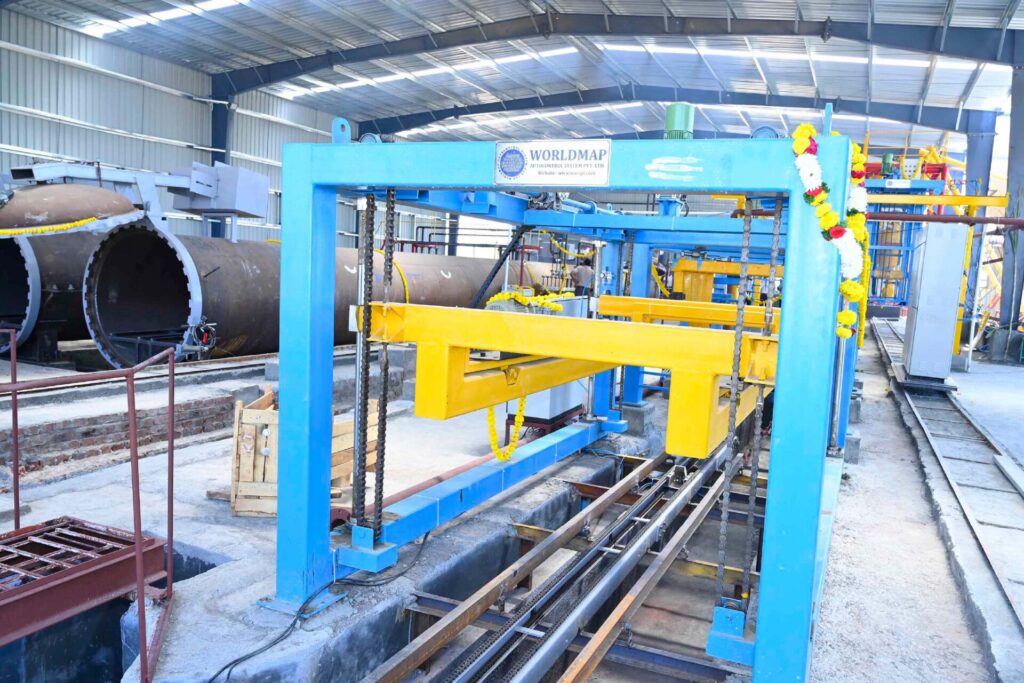
In the quest for faster, greener, and more economical construction materials, AAC blocks have become a game-changer. AAC stands for Autoclaved Aerated Concrete — a lightweight, precast building block that combines strength, thermal insulation, and environmental friendliness.
Why AAC Blocks Are Special
AAC blocks are about one-third the weight of traditional clay bricks or solid concrete blocks. Their cellular structure (tiny, evenly distributed air pockets) gives them excellent insulation properties, reducing indoor heat transfer and lowering energy costs for cooling or heating. They’re also fire-resistant, termite-proof, and dimensionally accurate, which simplifies plastering and finishing.
For builders and developers, this means:
- Faster wall construction thanks to large block sizes
- Lower dead load on foundations and structural members
- Improved energy efficiency and occupant comfort
- A sustainable alternative that reduces the use of topsoil and lowers CO₂ emissions