

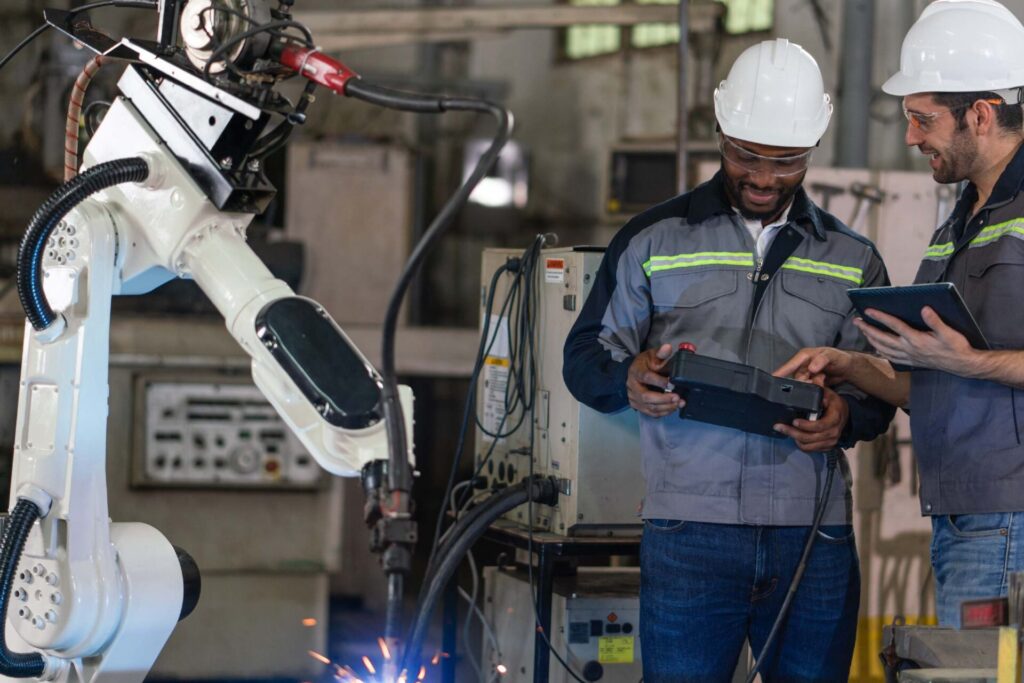
The Indian manufacturing landscape is witnessing a historic shift. Once dominated by manual labour and legacy machines, factories are now embracing advanced automation, robotics, and digital technologies. This change is not just about speed — it’s about precision, efficiency, and resilience.
Automation in manufacturing allows businesses to optimise production lines, reduce errors, and save resources. Robotics, conveyor systems, and PLC/SCADA software are enabling plants to run with consistent quality while cutting downtime. Even small and medium enterprises are discovering that automation is no longer reserved for large corporations; modular systems make adoption scalable and affordable.
One standout example is automated AAC block plants. By streamlining raw material handling, mixing, and cutting, these plants deliver superior blocks with less waste and lower energy use. Dry-mix plants, robotic palletisers, and smart conveyors are revolutionising construction supply chains.
However, the path is not without challenges. Companies must address skill gaps, invest in maintenance, and plan carefully to integrate new technology into existing workflows. Upskilling workers is key — people remain at the heart of any successful automation journey.
For businesses aiming to stay competitive, the question is no longer “Should we automate?” but “How fast can we adapt?” At Worldmap Group, we design and deploy automation solutions tailored to client needs, helping industries move confidently toward a future where smart manufacturing drives sustainable growth.